
 Costing
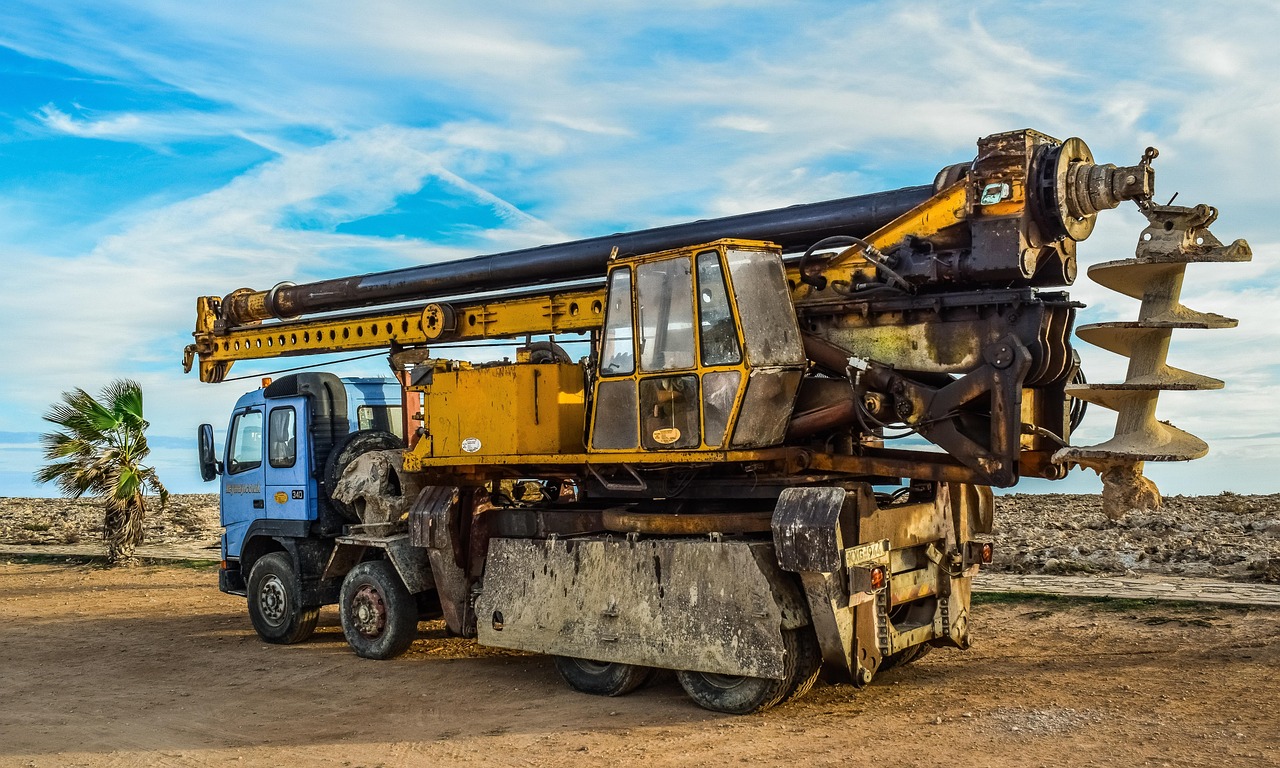
Borehole drilling costs explained
A deeper look at geology, depth, casing, and pump system costs.
Read more
Where solar pumping is preferred — from rural communities to off‑grid homes — and the key benefits of clean, reliable water pumping.
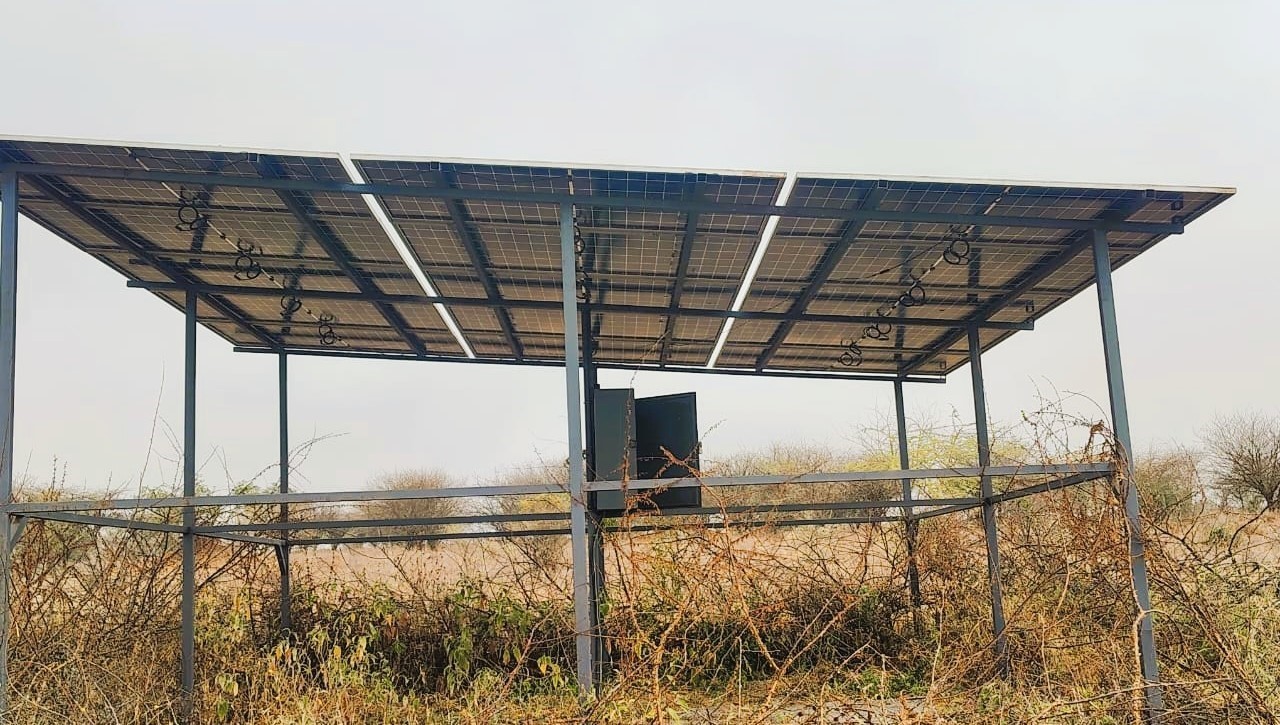
Solar pumping systems have become a preferred solution for Kenyan farmers, institutions, and homeowners who want reliable water supply without depending on the national grid. Whether in rural areas or urban properties that choose to stay off‑grid, solar pumps offer clean energy, lower running costs, and long‑term resilience.
As electricity tariffs rise and power interruptions remain common in many parts of Kenya, more people are turning to solar pumping systems for boreholes, wells, and surface water sources. Solar pumps use photovoltaic panels to convert sunlight into energy, driving submersible or surface pumps that deliver water to storage tanks or irrigation networks.
In regions with limited or unreliable grid power, solar pumping provides a practical, independent water solution. Farms, schools, health centers, and community projects in remote counties can access water without waiting for grid expansion.
Some urban and peri‑urban homeowners deliberately choose to remain off‑grid or partially off‑grid for sustainability and energy independence. For these properties, solar pumping ensures water availability even during power outages, aligning with green building and eco‑living goals.
Large farms and agribusinesses often use solar pumping to reduce diesel and electricity costs. By powering irrigation systems with solar, they stabilize operating expenses and protect margins against fuel price fluctuations.
NGOs and community projects prefer solar pumping for rural water schemes because it minimizes long‑term operating costs and maintenance complexity. Once installed, systems can run for years with minimal intervention.
Solar pumps eliminate monthly electricity bills and reduce or remove diesel consumption. After the initial investment, ongoing costs are minimal, making solar ideal for long‑term projects.
Solar pumping systems allow users to control their own water supply without relying on grid stability. This independence is valuable for off‑grid homes, farms, and institutions that cannot afford interruptions.
Solar energy is clean and renewable, reducing carbon emissions compared to diesel generators. Using solar for water pumping supports climate‑smart agriculture and sustainable development goals.
In areas with frequent blackouts, solar pumping ensures continuous access to water. Hybrid systems can combine solar with grid or generator backup, further increasing reliability.
Solar pumping systems can be scaled up by adding more panels or upgrading pumps as water demand grows. They can serve domestic use, livestock watering, irrigation, and institutional needs from the same borehole.
Costing
A deeper look at geology, depth, casing, and pump system costs.
Read more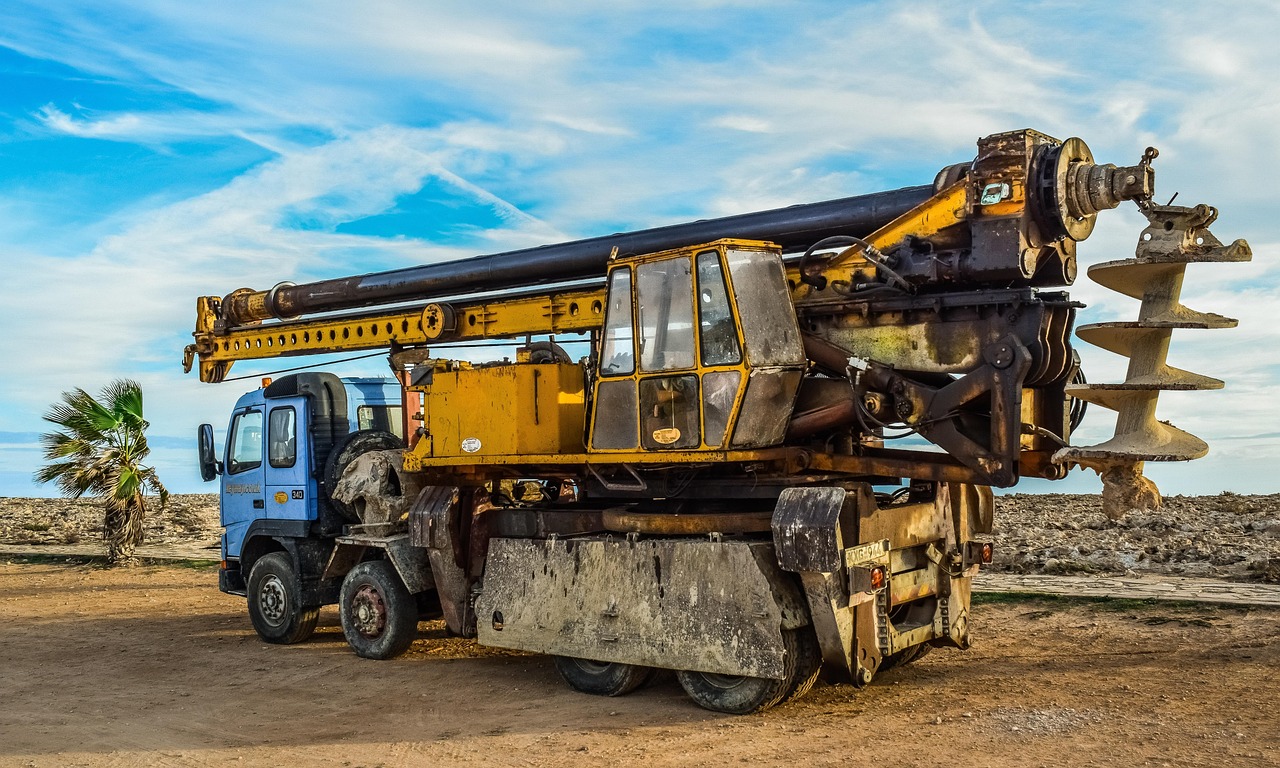 Irrigation
How irrigation improves yields, water efficiency, and farm sustainability.
Read more Hydrogeology
Practical steps to select the most productive borehole site.
Read moreWe design and install solar pumping solutions for farms, institutions, and off‑grid homes.