+254 714 719 028 info@milimanidrilling.com
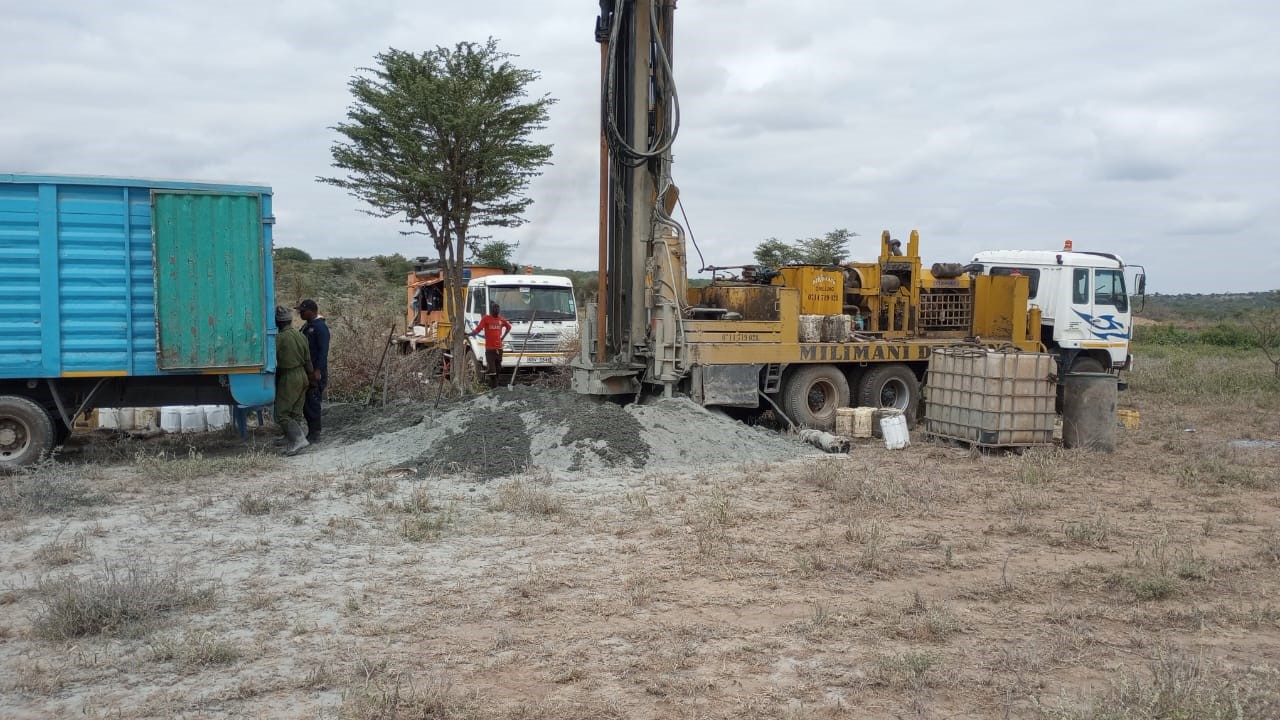
Milimani drilling rig operating at a borehole site in Kenya
Milimani Drilling East Africa Ltd · Kenya-wide service

Borehole drilling in Kenya, planned for dependable water

A reliable borehole starts with the right site information, an appropriate drilling method and construction choices that match the geology. Milimani Drilling East Africa Ltd coordinates borehole projects from survey and permitting through drilling, casing, development and testing. We work with homeowners, farms, institutions, communities and commercial clients across Kenya, adapting the scope to each site rather than assuming every location has the same ground conditions.

500+ boreholes20+ years in water servicesNationwide project coverage
Service Overview

Borehole Drilling: a practical guide for Kenyan projects

Borehole drilling creates access to groundwater through a constructed well designed around local geology and the intended demand. A survey helps identify a suitable target, while drilling observations help determine the final construction details. Diameter, depth, casing, screen placement, gravel packing and development are project-specific decisions. A quotation should therefore describe assumptions and measurable scope, not promise a particular depth or yield before the subsurface has been assessed.

Our service connects the stages that are often treated separately: technical planning, site preparation, rig mobilization, drilling, borehole completion, development and yield testing. Coordinating these steps helps the owner understand what has been completed, what remains, and which pumping and storage decisions should wait for test results. We explain the sequence before work begins and keep the recommendations tied to observations from the site.

Benefits

What a well-planned borehole drilling project can deliver

01

A planned route from survey to test

Starting with a hydrogeological assessment helps choose a technically defensible drilling point and gives the project team a basis for planning access, mobilization and permits. The survey informs decisions; it does not guarantee water, depth or yield.

02

Construction fitted to the formation

Drilling observations guide casing and completion choices. Correctly selected materials and installation practices help protect the borehole from unstable formations and reduce avoidable problems during development and pumping.

03

A tested basis for pump selection

A borehole should be tested before its pump is sized. Yield and drawdown information helps avoid specifying equipment that exceeds the sustainable supply or cannot meet the intended delivery head.

04

One coordinated technical team

Coordinating survey, drilling, testing and system recommendations gives the client a clear point of contact and helps keep decisions consistent across the project stages.

Our Process

From first assessment to handover

01

Site assessment and survey

We discuss intended use, access and local conditions, then arrange the hydrogeological survey and technical recommendations for the proposed location.

02

Permits and mobilization planning

The required approvals and site readiness are reviewed before equipment is scheduled. Access, working space, water needs and safety considerations are confirmed.

03

Drilling and construction

The rig drills through encountered formations. The team records relevant observations and installs the specified casing and completion materials for the borehole design.

04

Development and testing

The completed borehole is developed and tested. Results inform the pump design, storage requirements and next steps for equipping the water supply.

Equipment & Technical Scope

Equipment selected for the site and the job

Equipment is selected for the site, access conditions and expected formation rather than by a single standard package. Drilling rigs, bits and support equipment are mobilized according to the approved scope. The project plan also accounts for safe equipment positioning, material handling and the practical constraints of a home, school, farm or commercial site.

Borehole completion may include casing, screens where specified, gravel packing, sanitary sealing and development equipment. The appropriate configuration depends on the drilling log and design. After completion, test-pumping equipment and measurement instruments are used to assess discharge and water-level response. Pumping equipment for permanent use is selected after the test information is reviewed.

Planning Advice

What to confirm before you hire a borehole drilling contractor

Ask how survey findings shape the drilling plan, what approvals apply in your location, and which parts of the project are included in the quotation. Clarify whether the price includes mobilization, casing, development, test pumping, water analysis, pump supply, electrical work and storage. Separate included work from optional items so competing proposals can be compared on a like-for-like basis.

Discuss site access early. A drilling rig needs a suitable route and working area, and local constraints can affect mobilization. Confirm who coordinates permissions, water for drilling, spoil management, security and access for support vehicles. These practical details can influence timing and cost even when the technical scope is unchanged.

A professional proposal should distinguish estimated depth from completed depth and explain how variations are handled. No responsible contractor can guarantee a particular aquifer, yield or water quality before drilling and testing. Request copies of the survey recommendation, drilling record and pump-test report, and use the results to decide on a pump and storage system.
Technical Considerations

Important decisions for a successful project

Understand formation uncertainty

Kenyan sites include varied volcanic, sedimentary and basement-rock settings, and even nearby properties can encounter different fractures or weathered zones. A survey gives the project a reasoned target, while the drilling log records what the rig actually meets. Ask how the contractor will communicate a change in formation, what decision points are available, and how additional depth or casing is priced. This makes the project easier to manage when field conditions differ from the estimate.

Review construction materials

Casing and screen choices should be tied to the drilled formation and design, not simply selected from the cheapest available stock. Confirm material type, diameter, wall characteristics, screen placement where applicable, gravel-pack specification and sanitary sealing. These details affect stability, protection and the ability to maintain the borehole. Record the installed materials and depths in the completion report so a future pump replacement or rehabilitation can be planned accurately.

Plan access and site preparation

A drilling rig needs adequate access, turning space and a safe working area. Check gates, overhead lines, gradients, soft ground, nearby buildings, livestock movement and the location of existing services before mobilization. Agree who is responsible for clearing the site, providing water for drilling, managing cuttings and securing equipment. Resolving these practical matters before the crew arrives reduces delays and helps protect people, property and the surrounding environment.

Separate the borehole from the complete supply

Drilling and constructing the borehole does not automatically include a pump, control panel, solar array, storage tank or distribution network. Ask for an itemized scope that identifies which parts are included and which can be quoted after test results. This distinction helps avoid comparing a drilling-only price with a turnkey water-system proposal and gives the client control over the order and timing of later investment.

Keep a complete project record

Retain the survey report, approvals, drilling log, construction details, test-pumping report, laboratory results, pump specification and commissioning notes together. These records establish what was installed and how the source performed when new. They help diagnose reduced flow, support future regulatory submissions and inform pump or treatment replacement. Request digital copies at handover and note the date, location and contact responsible for each report.

Relevant Experience

Portfolio reference: education and infrastructure projects

The company portfolio identifies completed borehole work for East University Kitengela and Moi Girls Isinya, and borehole work supporting China Road and Bridges Company and Sigma Feeds. These examples represent institutional, infrastructure and commercial settings with different operational requirements.

The useful lesson for a new project is to define demand and operating conditions before selecting a design. The published portfolio does not provide comparable site logs or guaranteed yields, so prospective clients should request project-specific technical scope and references relevant to their location.

Explore projects and client sectors
Client Feedback

A reliable process matters

“The team was professional from survey to drilling and equipping. Their guidance made the process easy to understand, and the water supply has been excellent ever since.”
Paul Sabwa AsambaPrivate landowner · Client feedback published on this website
Frequently Asked Questions

Common questions about borehole drilling

How much does borehole drilling cost in Kenya?

The cost depends on geology, depth, access, casing design, mobilization and the equipment required after drilling. Request an itemized quotation that separates survey, permits, drilling per metre, casing, development, test pumping and equipping. An estimate should state its assumptions and explain how additional depth or difficult formations are priced.

How deep will a borehole need to be?

There is no single depth suitable for every property. A hydrogeological survey provides a recommended target based on available data, while drilling observations and test results establish the final design. Treat any depth provided before site assessment as an estimate, not a guarantee.

How long does drilling take?

The field duration depends on the formation, target depth, access, weather, equipment availability and whether the borehole requires additional completion work. Survey and approvals also occur before drilling. A project schedule should show these distinct stages rather than quote only rig time.

Can you guarantee that a borehole will find water?

Groundwater is variable, so no survey or contractor can responsibly guarantee a particular yield or water quality before drilling and testing. A qualified survey reduces uncertainty and identifies a technically recommended location; the actual result must be established in the field.

What permits are needed?

Requirements depend on location and current regulation. Borehole projects commonly require water-resource approvals and may require environmental or county approvals. Confirm the current process with the relevant authorities and agree in writing who prepares, submits and tracks each application.

When should I select the pump?

Select the permanent pump after the borehole has been developed and tested. The test report provides information about yield and water-level behaviour. Pump capacity, head, power supply, controls and storage should be designed around those results and the actual demand.

Plan Your Project

Discuss your water requirements with our team

Share your county, intended water use and survey status. We will help define a practical borehole scope and the next step.