
Diagnose before replacing parts
Checking the borehole, pump and controls together helps identify the cause of low flow or repeated faults and reduces the risk of unnecessary component replacement.
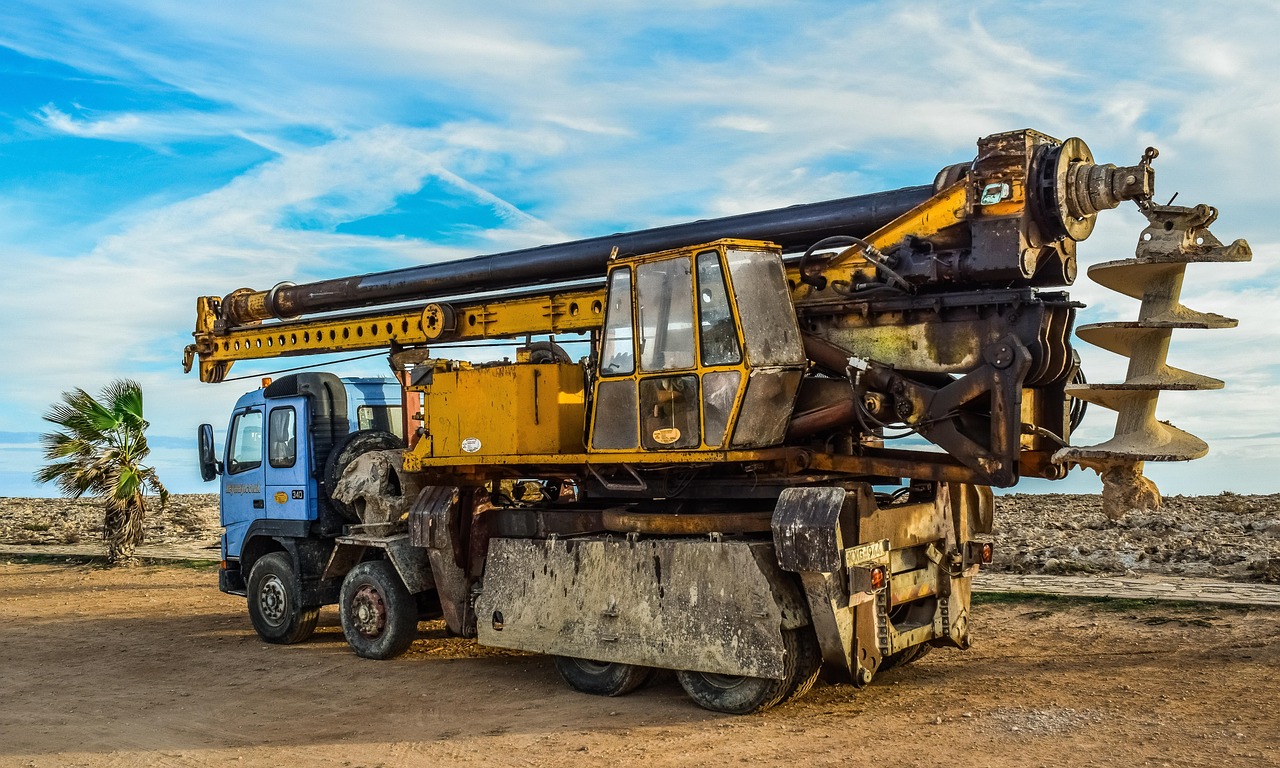
Reduced flow, frequent pump trips, rising energy use, sediment or changing water quality can indicate a problem with the borehole, pump, controls or distribution system. Milimani Drilling East Africa Ltd provides borehole inspection, pump servicing, cleaning and rehabilitation planning for domestic, agricultural and commercial water supplies. The right intervention depends on diagnosis: replacing a pump without checking the source or pipework can leave the underlying problem unresolved.
A borehole is a system, not only a hole in the ground. Performance depends on the aquifer, borehole construction, pump, rising main, electrical controls, storage and distribution. Maintenance begins by recording the symptom and comparing it with historic flow, water level, power use and water-quality information. This helps distinguish a source issue from equipment wear, blockage, leakage or control faults.
Inspection and rehabilitation may include pump retrieval, electrical checks, borehole camera inspection where suitable, cleaning, development, disinfection, test pumping or replacement of components. Work should be scoped after inspection and with safe isolation procedures. A baseline after service gives the owner a way to track future changes and plan preventive maintenance.
Checking the borehole, pump and controls together helps identify the cause of low flow or repeated faults and reduces the risk of unnecessary component replacement.
Planned inspections can identify wear or abnormal operation before an avoidable failure disrupts domestic, farm or institutional water service.
Cleaning and rehabilitation may improve performance when the cause is addressable, but outcomes depend on borehole condition and aquifer response.
Service reports, flow readings, water levels and equipment details help owners recognize trends and make better decisions about future repairs.
We collect the fault description, past service records, pump details, water-use changes and any available flow or test data.
The borehole, pump, electrical supply, controls, rising main, storage and distribution are assessed to identify likely causes.
Recommended cleaning, testing, repair or replacement is explained with assumptions, safety needs and expected limitations.
After work, the system is checked and relevant flow or operating observations are recorded for future maintenance.
Diagnostic tools may include electrical test instruments, flow meters, water-level meters, pump retrieval equipment and borehole inspection tools where access and conditions allow. Cleaning and rehabilitation methods are chosen according to the borehole construction and diagnosed issue; aggressive methods are not suitable for every installation.
Replacement work may involve submersible pumps, rising mains, cables, control panels, sensors, valves or storage components. The correct rating depends on the borehole’s tested performance and delivery requirements. Ask for the removed component details, inspection findings and any commissioning information so the next maintenance visit can build on a reliable record.
Track changes rather than relying on memory. A noticeable reduction in flow, longer tank fill times, increased turbidity, unusual noise, frequent electrical trips or a sudden change in energy use should be recorded with dates and operating conditions. Compare the symptoms with the pump’s original installation data and any past yield tests.
Do not continue operating a pump that is repeatedly running dry, overheating or tripping without diagnosis. Continuing to run equipment under a fault condition can cause additional damage. Isolate the system safely and arrange an assessment. Water-quality changes should be investigated with laboratory testing before deciding on treatment or disinfection.
A preventive schedule can include electrical inspection, leakage checks, monitoring of flow and pumping levels, water-quality testing and inspection of storage and controls. The appropriate interval depends on operating hours, source characteristics and manufacturer guidance. Keep a log of repairs, pump model, depth setting and test results.
Before a service visit, write down when the fault began, how often it occurs, whether it follows long pumping periods and what changed beforehand. Record tank fill times, estimated flow, pressure, electrical trips, alarms and water appearance. Compare the observations with older service records. A clear history helps the technician reproduce the problem and distinguish a gradual decline from a sudden equipment failure.
Low flow can arise from a worn pump, a change in water level, a damaged rising main, a blocked line, leaking valves or an electrical supply problem. Inspection should consider the pump and the rest of the water system together. Measurements of voltage, current, pressure and discharge can narrow the possibilities before equipment is retrieved or replaced. This can prevent repeat callouts for an unresolved fault.
Cleaning and rehabilitation methods must suit the borehole construction, materials and diagnosed condition. Improper chemical or mechanical treatment can damage casing, screens or seals and may create new water-quality concerns. Agree the method, expected limitations, handling of removed material and any disinfection or post-service testing before work begins. Do not accept a guaranteed improvement without a defensible diagnosis.
Pump retrieval involves heavy equipment, electrical isolation and work around an open borehole. Confirm that the service crew has a safe lifting plan, suitable access and procedures to prevent objects or debris entering the well. Electrical equipment should be isolated before inspection. Keep people away from the work area and coordinate site access with residents, school staff or farm operators.
After repair, record the pump model and setting depth, flow, water level if measured, operating current, pressure and any water-quality results. Save the service report and note parts replaced. These baseline values help identify whether a future decline is new or part of a longer trend. Schedule follow-up based on the operating environment and the manufacturer’s guidance.
Milimani’s portfolio includes borehole work for institutions and commercial clients, including East University Kitengela, Moi Girls Isinya, Sigma Feeds and China Road and Bridges Company. A maintenance plan for any operating site should be based on its installation record and current symptoms, not on the client name or sector alone.
A site inspection establishes what can reasonably be serviced or rehabilitated. This page does not imply that a particular listed project required rehabilitation or achieved a specific post-service yield.
Explore projects and client sectors“The team was professional from survey to drilling and equipping. Their guidance made the process easy to understand, and the water supply has been excellent ever since.”
Possible causes include pump wear, a blocked screen, changed water levels, leakage, control issues or changes in demand. A diagnosis should measure the system and compare symptoms with installation and test records before recommending a repair.
Some boreholes can be improved through cleaning, development, pump replacement or other targeted work. Feasibility depends on construction condition, aquifer response and the cause of poor performance. Inspection and testing are needed before promising a result.
The interval depends on operating hours, water quality, pump manufacturer guidance, source conditions and the consequence of downtime. Establish a baseline and schedule inspections based on the actual system rather than relying on one universal interval.
Not before checking the pump, electrical supply, water level, rising main, controls and borehole condition. A new pump may not solve a source or pipework issue. Proper measurements help determine whether repair or replacement is justified.
Yes. Seasonal conditions, source operation, nearby activity or equipment problems can affect quality. If taste, colour or odour changes, arrange laboratory testing and investigate the source before choosing treatment.
Share the borehole depth if known, pump make and model, installation date, flow history, service reports, fault symptoms and recent water test results. Explain how often the system operates and whether alarms or electrical trips occur.
Some checks can be completed at the surface, including control-panel inspection, electrical measurements, flow checks, leakage review and examination of storage or distribution. Other faults may require retrieving the pump or using borehole inspection equipment. The decision should follow diagnostic findings and safe access requirements. Ask the service team to explain which tests can be performed first, what additional access may be needed and whether the system will be unavailable during the work.
First check for an obvious power outage or tripped protection device without opening electrical equipment unless you are qualified. Do not repeatedly reset a tripping controller or run a pump that may be dry. Record alarm indicators, recent power events, tank levels and when the supply stopped, then isolate the system if unsafe behaviour continues. Contact a qualified technician with the pump and borehole records. These steps preserve useful diagnostic information and can prevent added damage while the cause is assessed.
Scheduled maintenance, borehole cleaning, recovery and repair help keep the installed system operating as intended. Inspection and service recommendations are based on observed system condition and available borehole records.
Service commitments and any guarantee terms are stated in the written project agreement. Borehole yield and system performance depend on site, aquifer and operating conditions.
Describe the fault, location, pump details and recent service history so we can recommend an appropriate inspection.