
Size a pump from measured response
Water-level and discharge readings help inform pump capacity and setting. This reduces the risk of selecting equipment that exceeds the source response or cannot meet the required delivery head.
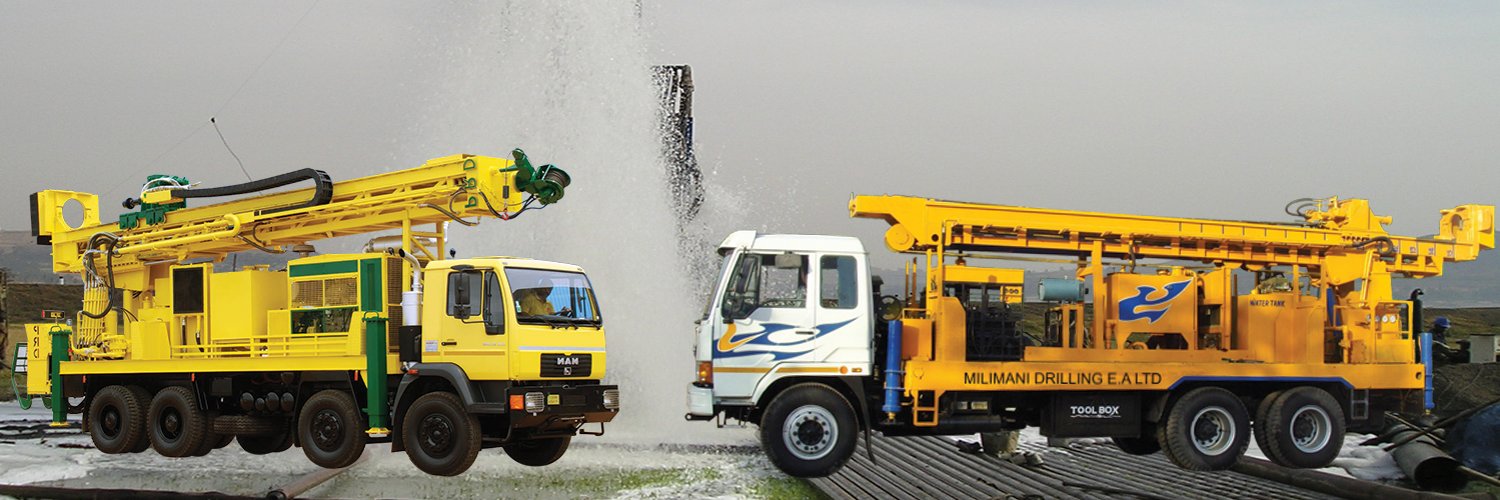
Before a permanent pump is selected, a new or existing borehole should be assessed for how it responds to pumping. A test-pumping programme records discharge and water levels over time to help estimate yield, drawdown and recovery. Water analysis separately evaluates quality for the intended use. Milimani Drilling East Africa Ltd coordinates these assessments so owners can base pump, storage and treatment decisions on measured information rather than assumptions.
Test pumping helps characterize the borehole under a controlled operating condition. Depending on the scope, work may include preliminary checks, step testing, constant-rate pumping and recovery observations. The test method and duration should be agreed according to project requirements and applicable technical practice. Results describe observed performance during the test; they are not an unlimited guarantee of long-term aquifer yield.
Water analysis answers a different question. A properly collected sample is analysed for relevant physical, chemical and microbiological parameters, selected according to intended use. Test-pumping results inform pump and system design, while laboratory results inform treatment and suitability decisions. Keeping these reports together creates a useful commissioning record for future maintenance.
Water-level and discharge readings help inform pump capacity and setting. This reduces the risk of selecting equipment that exceeds the source response or cannot meet the required delivery head.
Observations during and after pumping show how water levels respond under the test conditions. These are important inputs for system recommendations and operating limits.
Laboratory analysis identifies parameters that may affect drinking, irrigation or process use and helps determine whether treatment or additional testing is appropriate.
A test report and laboratory results provide a record against which future changes in flow, water levels or quality can be evaluated.
Confirm construction details, intended use, required measurements and any existing test or water-quality reports.
Check the pump and discharge arrangement, establish water-level measurement points and plan safe management of discharged water.
Record discharge and water-level response at agreed intervals during pumping and recovery, following the test programme.
Collect samples using appropriate procedures, submit them for laboratory analysis and prepare findings to support system decisions.
Test pumping may use a temporary or installed pump, discharge pipework, flow measurement equipment, water-level probes and timing or data-recording tools. Equipment must be appropriate for the borehole depth, discharge rate and test objective. The test setup should allow safe discharge management and prevent measurement errors from leaks or unstable flow.
Water-quality assessment requires clean sample containers, correct preservation and transport, and a competent laboratory. Parameter selection should reflect the intended use and any known concerns. Field observations such as temperature, conductivity or turbidity can add context but do not replace laboratory results where formal analysis is required.
For a pumping report, check the borehole identity, pump and test arrangement, discharge rate, measurement intervals, water-level observations and recovery period. Confirm whether the test was constant-rate or staged and whether any interruptions occurred. The report should state the conditions and limitations under which the results were obtained.
Avoid treating short-term test discharge as a guaranteed sustainable yield. Aquifer response can vary with seasons, neighbouring abstraction and long-term operation. Pump selection should account for the test findings, expected demand, storage and an appropriate operating regime. Ask the technical team to explain any recommended limit in practical terms.
For water analysis, review the sample date, source, methods and parameters tested. Compare results with current standards relevant to the intended use. A result outside a guideline may require confirmation, treatment or specialist advice. Water quality is separate from yield: a high-flow borehole is not automatically suitable for drinking, and treatment must be verified through follow-up testing.
The test pump, discharge line and flow measurement arrangement should be installed securely and checked for leaks before the formal observations begin. Identify a safe discharge location that will not flood the borehole area, erode land or return water to the well. Record relevant borehole construction details and water levels before pumping so later readings have context.
Water level and discharge should be recorded using a documented schedule and consistent measurement points. Changes in pump operation, power supply, discharge routing or flow need to be noted because they affect interpretation. Accurate timestamps matter when comparing drawdown and recovery. If interruptions occur, the report should identify them instead of presenting the test as uninterrupted.
Test results depend on the pump rate, duration, borehole condition, measurement accuracy and aquifer response at the time. They should be used as technical inputs, not as an unconditional promise of future supply. Ask the report author to explain how the recommended operating range relates to the observed drawdown and what seasonal or neighbouring abstraction factors remain unknown.
Laboratory results are reliable only when sampling, preservation, transport and chain-of-custody procedures are appropriate for the selected parameters. Follow the laboratory’s container and delivery instructions, and record the source, sampling point and date. If the result is unexpected or inconsistent with prior analysis, consult the laboratory about confirmation sampling before making major treatment decisions.
Use test-pumping findings to inform pump capacity, pump setting, storage and operating schedule. Use laboratory analysis to identify treatment needs and suitable uses. Keep both reports with the completion and installation records, and plan periodic review. A later change in water level, flow or quality should be compared with this baseline to decide whether inspection or retesting is warranted.
Milimani lists institutional borehole projects such as East University Kitengela and commercial work involving Sigma Feeds and China Road and Bridges Company. These examples underline why yield and water quality should be tested against each client’s actual demand and use rather than inferred from another project.
This page makes no claim about the specific test values or laboratory results for those projects. A new client should request its own report with measurement conditions, laboratory parameters and system recommendations clearly documented.
Explore projects and client sectors“Their engineering advice and transparent communication helped us choose the right setup. The installation was efficient and the water quality is consistently good.”
It is a controlled pumping assessment that records discharge and water-level response over time, often followed by recovery measurements. The selected procedure depends on the borehole and project requirements. Results support pump selection and operating recommendations.
Duration depends on the approved test programme, borehole response, required observations and recovery period. A 24-hour test is used in some project scopes but is not automatically suitable for every situation. Confirm the method and deliverables before scheduling.
No. It records response under stated test conditions. Long-term sustainable yield can be affected by seasonal changes, neighbouring abstraction and operating practices. The report should explain its limitations and recommended operating range.
They are separate assessments and may be commissioned together. Pump testing measures hydraulic response; laboratory analysis evaluates quality. Confirm which parameters, sampling procedures and laboratory fees are included in the scope.
The appropriate panel depends on intended use, location and known concerns. Drinking-water assessment may require microbiological and chemical parameters, while irrigation or industrial use may require different analyses. Select the panel with a competent professional or laboratory.
The pump can be selected once borehole construction details and suitable test-pumping information are available. Water quality may also inform materials and treatment decisions. Final design should account for head, required flow, power and storage.
A useful report identifies the borehole and construction details, test dates, pump and discharge arrangement, measurement method, discharge rates, water-level observations and recovery measurements. It should note interruptions, measurement limitations and the basis for any recommendation. For water analysis, retain the laboratory name, sampling date, parameters, methods and interpretation against the intended use. These records allow the owner and future technicians to understand what was measured and avoid treating a short test or limited sample panel as a permanent guarantee.
Yes. The field schedule can coordinate hydraulic testing and sample collection, provided each activity follows the appropriate procedure. Sampling may need to occur at a defined point or after the source has been pumped under specified conditions. Confirm the laboratory panel, sample containers, collection timing, delivery requirements and fees in advance. The pumping report and laboratory report should remain separate deliverables because they answer different questions, then be considered together when selecting a pump, treatment system and intended use.
Request a test scope with your borehole depth, construction details, intended use and any existing reports.