 Costing
Borehole drilling costs explained
A deeper look at geology, depth, casing, and pump system costs.
Read more
A practical guide to selecting the most productive borehole site.
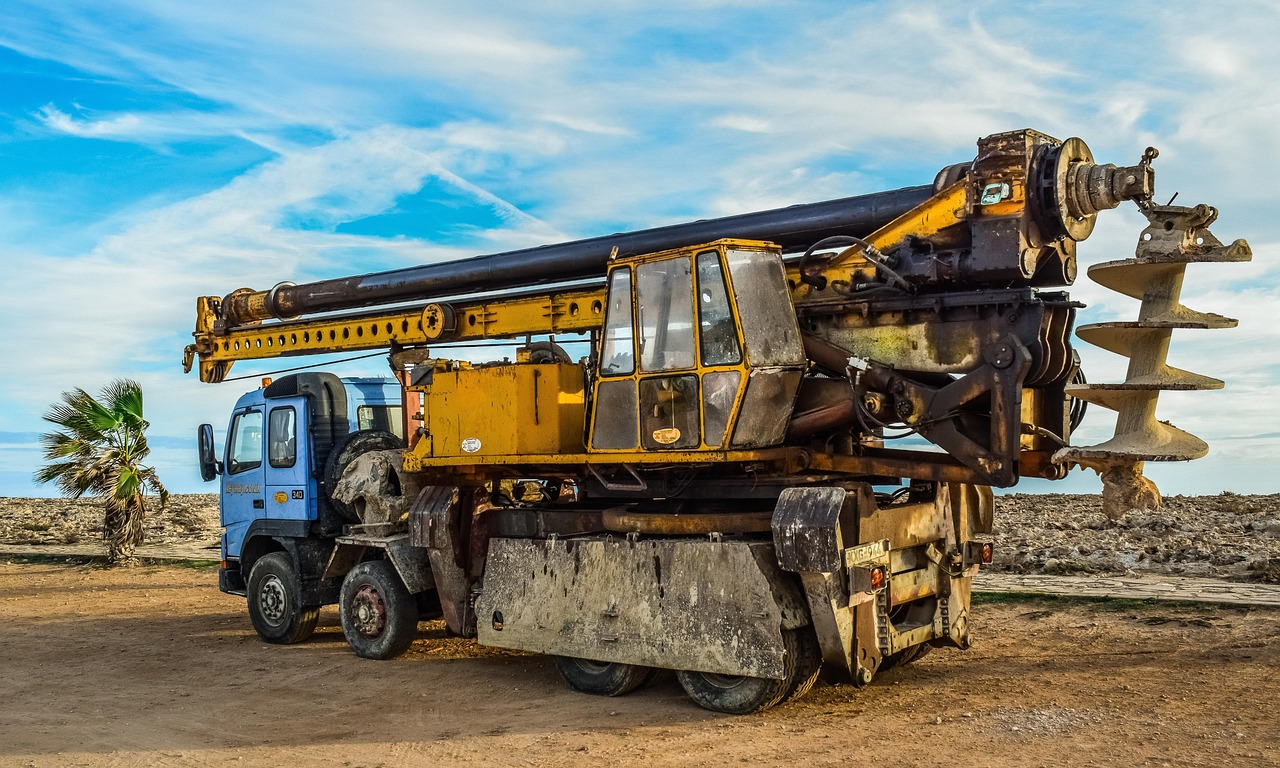
Choosing the right borehole location is one of the most important steps in ensuring a productive and long‑lasting water source. A well‑selected site reduces drilling risks, improves water yield, and lowers long‑term maintenance costs.
Borehole success depends heavily on underground geological formations and aquifer behavior. While modern drilling rigs can penetrate most formations, selecting the correct drilling point ensures you reach the most productive water‑bearing zones. This practical guide outlines the key considerations Kenyan farmers, homeowners, and institutions should follow when choosing a borehole site.
A hydrogeological survey is the most reliable method for identifying groundwater depth, aquifer thickness, and the best drilling point. Certified hydrogeologists use geophysical equipment to map subsurface formations and locate water‑bearing zones. This reduces the risk of drilling a dry or low‑yield borehole.
Boreholes should be located away from septic tanks, pit latrines, waste dumps, animal pens, and chemical storage areas. This prevents contamination and ensures water remains safe for domestic and agricultural use.
Flat or gently sloping areas are ideal for drilling. Avoid flood‑prone zones, steep slopes, or areas with unstable soils. Proper topography ensures easier rig access and reduces the risk of surface contamination entering the borehole.
Drilling rigs require adequate space for positioning, movement, and support trucks. Choose a location with clear access roads and enough working area (typically 10m × 10m). Poor accessibility increases mobilization costs and delays drilling.
If you plan to use an electric pump, ensure the borehole is reasonably close to a power source. For solar pumping, choose an area with minimal shade. Also consider the distance to water storage tanks to reduce piping costs.
Studying nearby boreholes provides useful insights into local geology, water depth, and yield. However, avoid drilling too close to another borehole to prevent aquifer interference.
The Water Resources Authority (WRA) requires boreholes to meet specific spacing, environmental, and safety standards. A licensed hydrogeologist or drilling company will guide you through compliance and permit acquisition.
Costing
A deeper look at geology, depth, casing, and pump system costs.
Read more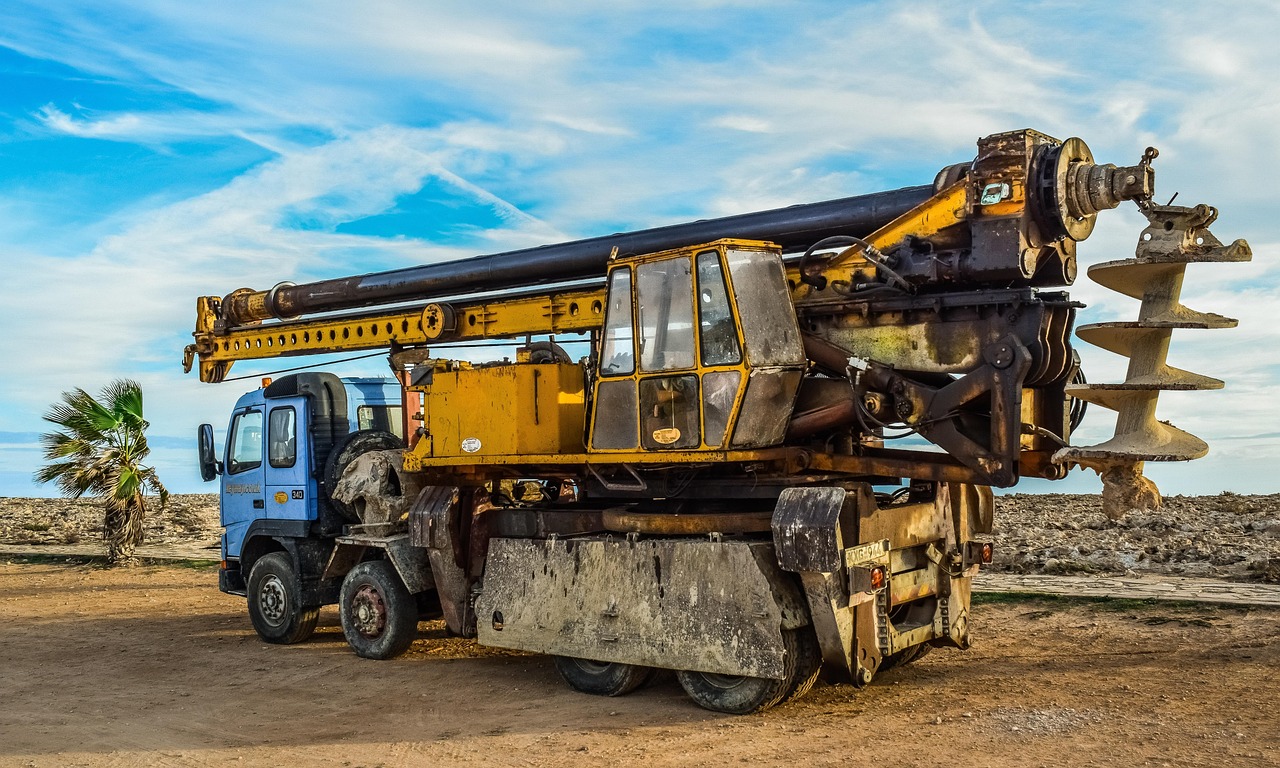 Irrigation
How irrigation improves yields, water efficiency, and farm sustainability.
Read more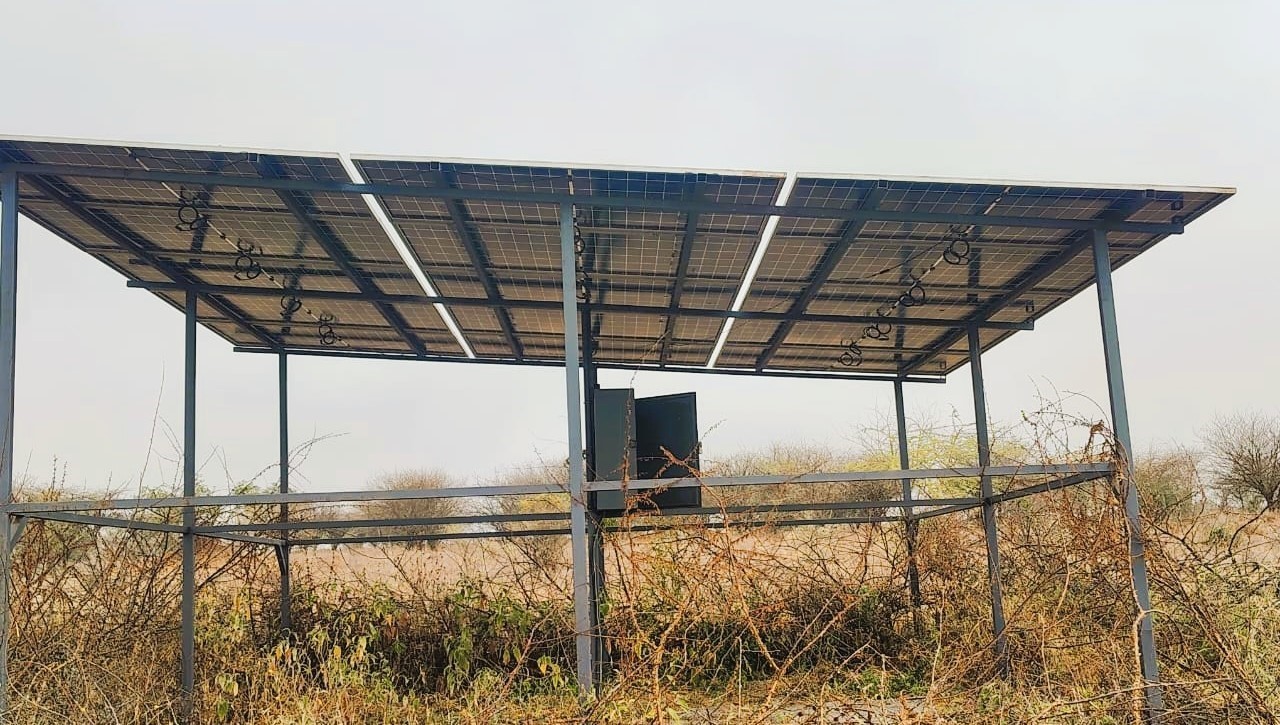 Solar & Pumping
How solar pumps reduce operational costs and improve water reliability.
Read moreOur certified hydrogeologists provide accurate groundwater mapping and site assessments.