Milimani Drilling East Africa
Sustainable Water Infrastructure
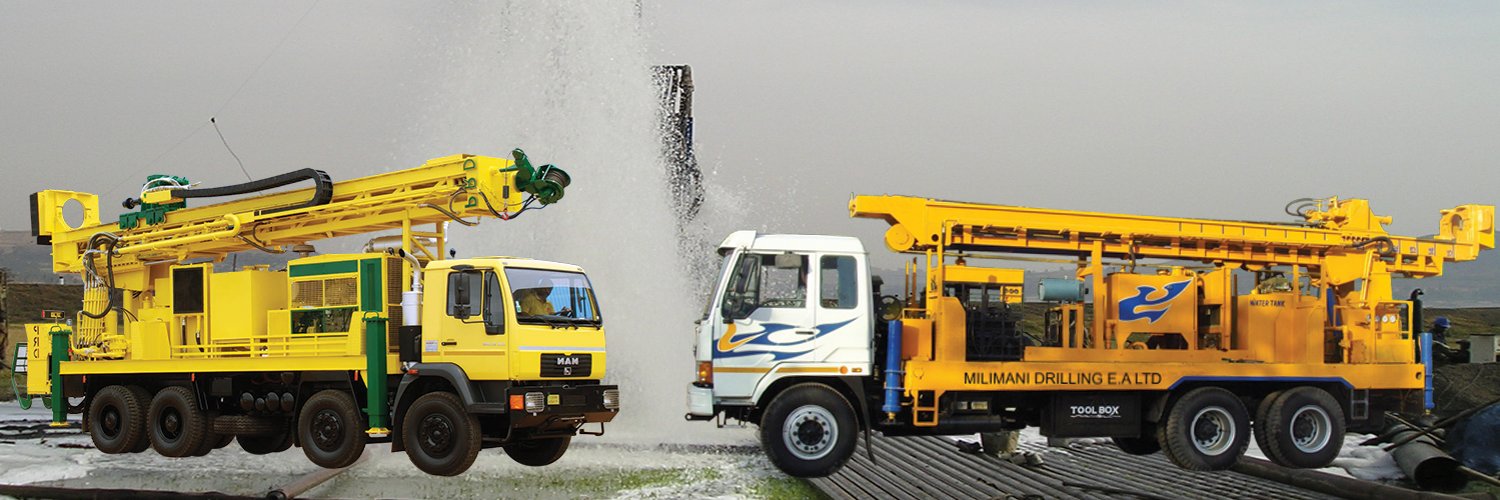
Why 24-hour test pumping is essential before buying a pump: step-drawdown testing, recovery monitoring, safe sustainable yield calculations, and WRA licensing.
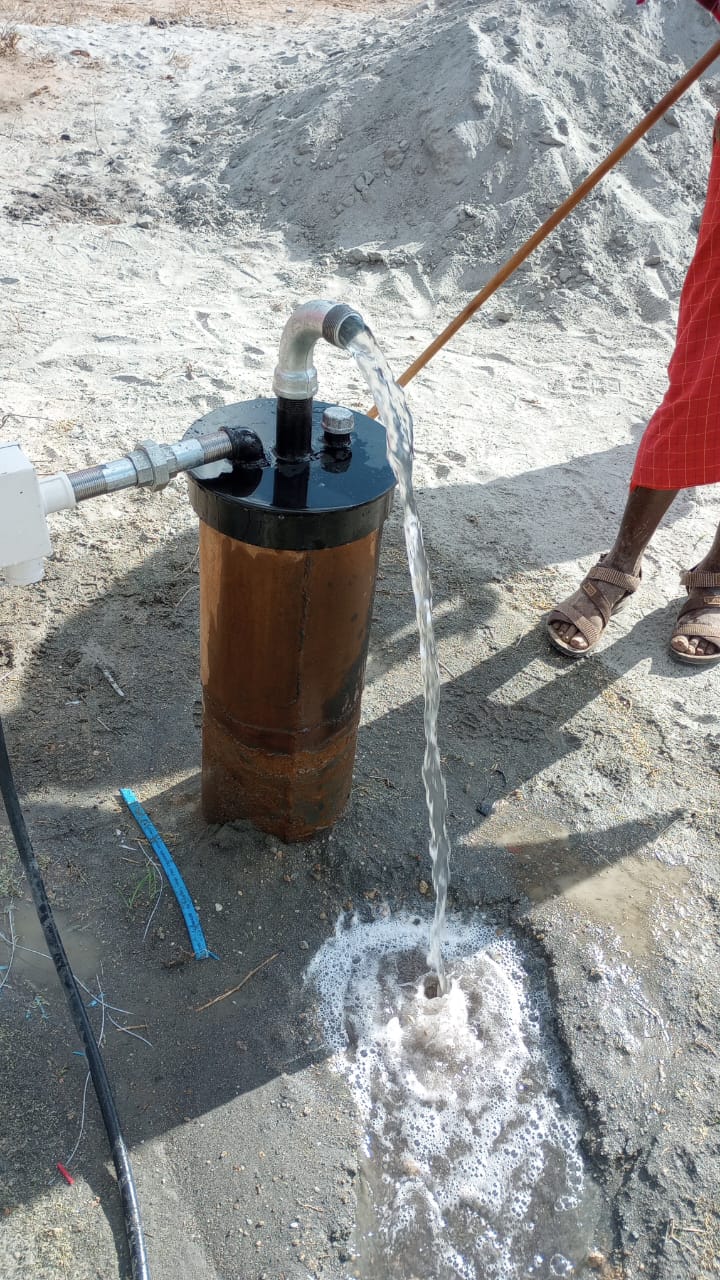
Test pumping is the scientific bridge between drilling a borehole and equipping it with the correct permanent pump. Without a standardized yield test, buying a pump is pure guesswork that often leads to burnt motors, wasted capital, or dry taps.
When a borehole rig completes drilling and air-lifting, the driller might estimate a momentary yield (e.g. "5 m³/hr"). However, an instantaneous blowing yield does not indicate whether the surrounding underground aquifer can sustain continuous extraction over days, months, or severe dry seasons. Test pumping subjects the aquifer to controlled, sustained stress to measure its true hydraulic characteristics.
The natural resting depth of the groundwater table from ground level before pumping begins, measured precisely using an electric dipmeter acoustic sounder.
The stabilized water level inside the well while the test pump is continuously discharging water at a fixed rate. The difference between SWL and DWL is the total drawdown.
The moment the test pump is turned off, technicians record the exact speed at which the water level rises back to the original static level. Rapid recovery indicates a prolific, well-connected regional aquifer; sluggish recovery signals a localized, low-recharge fracture zone.
The maximum volume of water that can be pumped continuously without drawing the water level below the pump intake or causing formation de-watering.
Pumping is conducted in distinct stepped increments (e.g. 2 hours at 3 m³/hr, 2 hours at 6 m³/hr, and 2 hours at 9 m³/hr). This calibrates well efficiency and determines the optimal discharge rate for the main continuous test.
The test pump operates continuously for 24 unbroken hours at a fixed rate, discharging water hundreds of metres away to prevent artificial re-circulation. Discharge volume is verified with calibrated V-notch weirs or electromagnetic flowmeters while water levels are logged every minute initially, then every 15–30 minutes.
Pumping stops and recovery is monitored until the water reaches at least 95% of its original static level (typically 8 to 24 hours).
Installing a pump that is too large over-pumps the aquifer, pulling down the water table, causing the motor to dry-run and burn out, and pulling in fine sand that destroys impellers. Conversely, installing an undersized pump leaves you with inadequate pressure and wasted water potential. Test pumping data provides the exact total dynamic head (TDH) and flow rate required to select the optimal Grundfos, Pedrollo, or Lorentz pump.
Under the Water Resources Authority (WRA) regulations, submitting an accredited 24-hour test pumping report and chemical water analysis is legally mandatory before a Water Abstraction Licence can be granted. Milimani Drilling conducts certified test pumping matching all national hydrological standards.