Milimani Drilling East Africa
Sustainable Water Infrastructure
How to restore low-yielding or defunct boreholes in Kenya: downhole CCTV camera inspection, high-pressure air flushing, chemical descaling, and pump servicing.
When an existing borehole experiences declining water yield, discolored discharge, or sudden pump failure, drilling a new borehole is rarely the only solution. Engineered borehole rehabilitation and flushing can restore defunct or low-yielding boreholes to peak productivity at a fraction of the cost.
Across Kenya, thousands of boreholes drilled for private landowners, institutions, and community water projects sit abandoned or severely under-performing. In many instances, the underground aquifer has not run dry; rather, mechanical siltation, mineral scale encrustation, biofouling, or damaged pumping hardware has choked off water flow. Diagnosing the underlying cause allows specialized technicians to revive the water source effectively.
Over months and years of pumping, fine geological clays and silts migrate into the borehole bottom and settle across slotted screens. This sediment buildup buries the pump intake, restricts aquifer inflow, and causes extreme abrasive wear to pump impellers.
In areas with hard or mineralized groundwater (such as calcium carbonate and iron-rich volcanic aquifers), pressure drops around the well screen trigger mineral precipitation. Hard scale bridges the screen slots and seals the gravel pack, choking off aquifer water entry.
Naturally occurring iron-oxidizing bacteria produce thick gelatinous ochre slime that clogs slotted screens, pump intake strainers, and riser column pipes, often accompanied by unpleasant marshy odors and stained water.
Submersible motors, thrust bearings, capacitors, and non-return valves experience normal mechanical wear. Low line voltage or dry-running without water-level cutouts can burn motor windings prematurely.
Rehabilitation begins with diagnostic clarity. A waterproof, high-resolution 360-degree downhole video camera is lowered through the casing to inspect casing integrity, pinpoint cracked pipes, verify screen condition, and locate biofouling deposits or foreign debris dropped down the well.
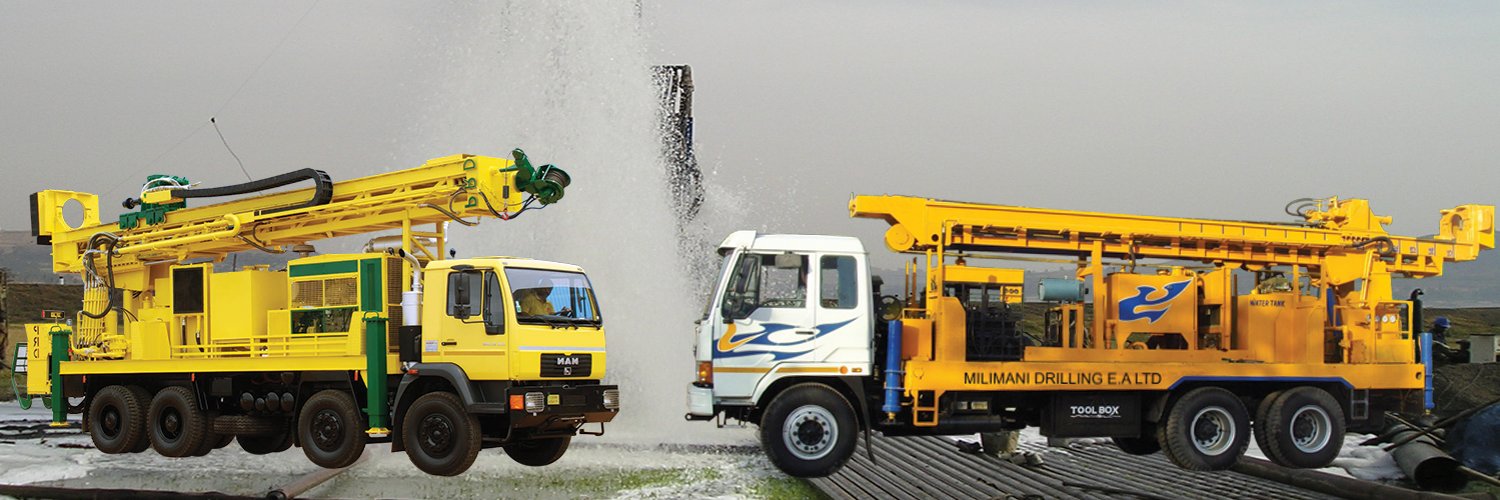
Heavy pneumatic compressor units (20–30 bar) blast high-pressure air and water down through customized jetting tools. The turbulence breaks up compacted silt and mineral cakes, forcing sediment up and out of the wellhead until clean water discharges continuously.
To dissolve stubborn carbonate and iron mineral scale without harming UPVC casings, inhibited food-grade chemical solutions (such as sulfamic or customized organic acids) are injected into the well screen zone, agitated, allowed to react, and then thoroughly pumped out until pH neutral.
If a downhole camera reveals collapsed, corroded, or sheared steel casing, a smaller-diameter Class 10 UPVC liner casing and slotted screen can be inserted inside the original well to stabilize the borehole structure for decades to come.
The hoist crane extracts the pump column to replace worn impellers, check non-return valves, test motor insulation resistance (megger testing), and re-hang the pump at the optimal hydrodynamic depth. Many clients use this opportunity to upgrade from expensive diesel pumping to zero-fuel solar pumping.
To prevent catastrophic outages, Milimani recommends annual electrical checks, bi-annual water quality testing, and comprehensive flushing every 3 to 5 years. Preventative servicing extends pump life and guarantees continuous water reliability.